
Coming Soon: PixelWing ESP32-S3
Meet PixelWing ESP32-S3, a compact Wi-Fi-connected 5 x 10 RGB LED matrix with CircuitPython support and a Qwiic/STEMMA QT-compatible sensor connector.
RGB LEDs are a lot of fun to work with. You can make animations, display a simple pattern, or give a project a way to tell you what it's doing without opening a serial terminal. But getting from an LED matrix to a complete project often means adding a microcontroller, figuring out the wiring, and finding somewhere to put everything. Sometimes you just want to write some code and make the lights do something useful.
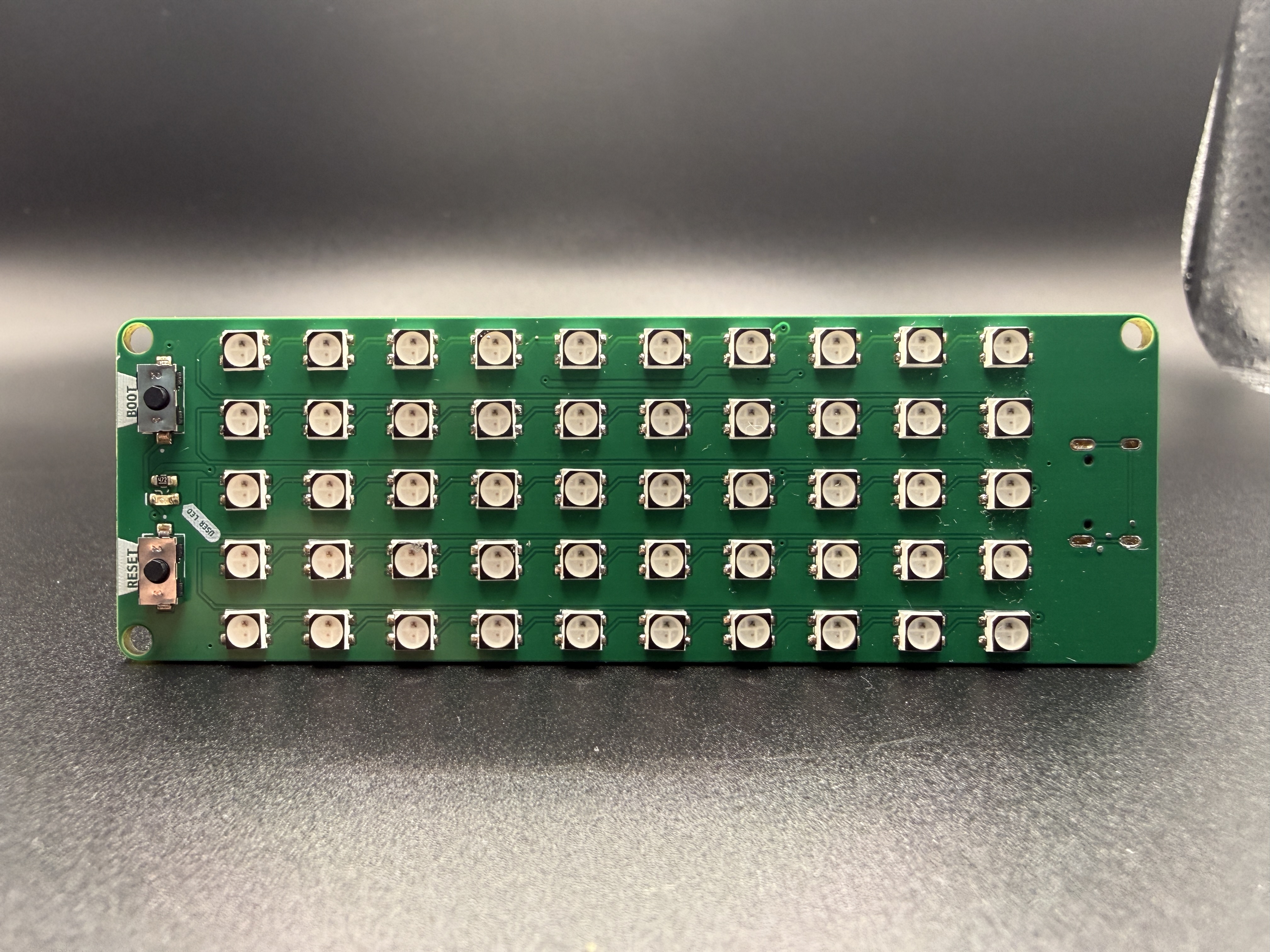
That is the idea behind our upcoming PixelWing ESP32-S3. It combines a 5 x 10 addressable RGB LED matrix with an ESP32-S3 on one board, giving you a small display with Wi-Fi built in. We've added a coming soon listing to the Kavrous shop, and I wanted to share a little about what it is and why we made it.
Why put it all on one board?
There are plenty of ways to connect an LED matrix to a development board, and that flexibility is useful. You might already have a microcontroller you like or need a particular display size. For a small connected indicator, though, putting the controller and LEDs together makes the project a little less cumbersome. You have fewer separate pieces to mount and fewer connections to sort out before you can start experimenting.
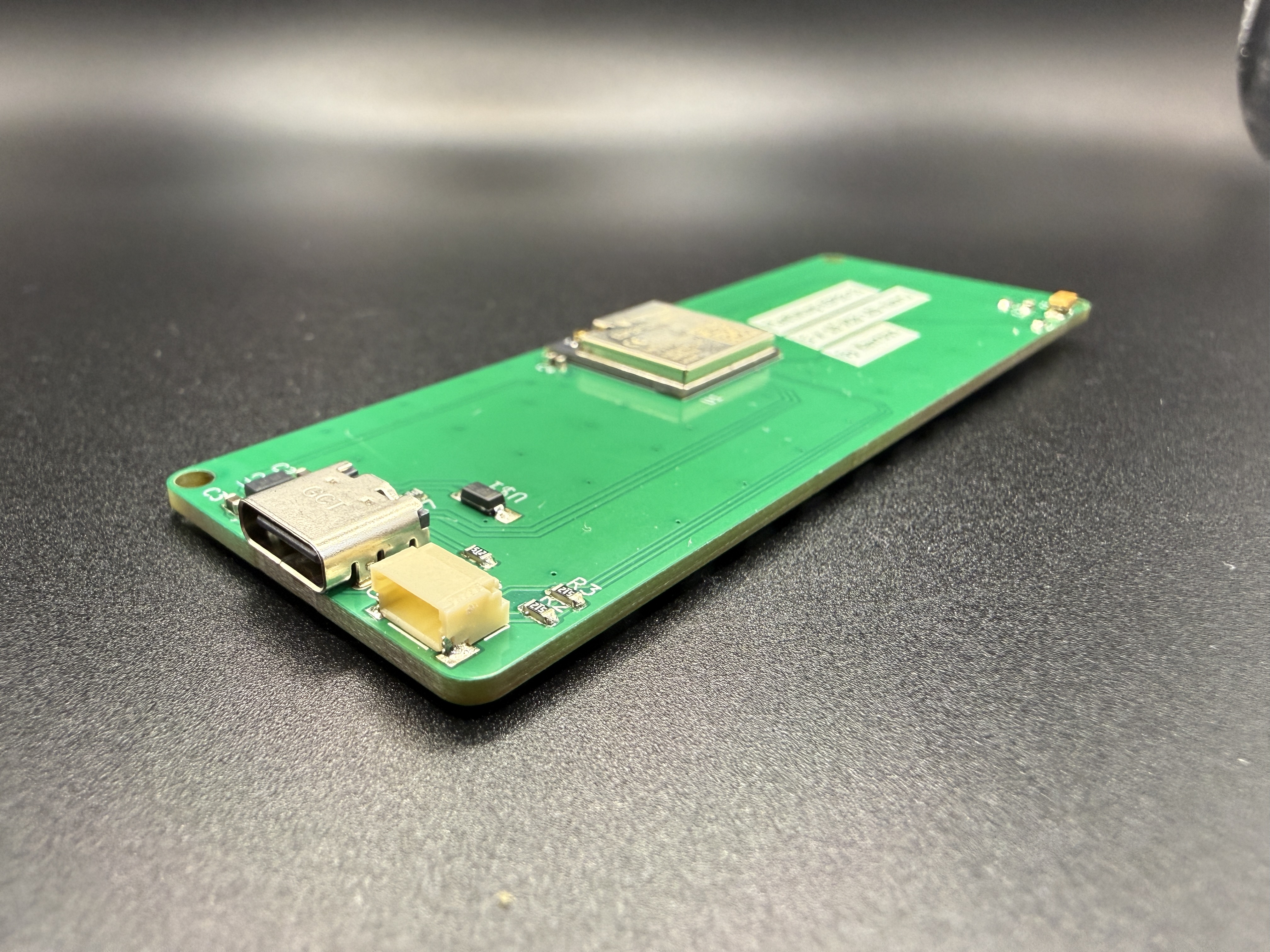
PixelWing brings those pieces together around the ESP32-S3 from Espressif. USB-C supplies power, and the onboard microcontroller controls the matrix. You don't need to dedicate another development board to driving the LEDs. That makes it an interesting starting point for projects where a larger matrix and a separate controller would take up more space than you want to give them.
This is a fairly simple idea, but simple things can be useful. A board doesn't have to introduce an entirely new way of doing something to make a project easier to build.
Fifty pixels to work with
The matrix uses 50 SK6812mini addressable RGB LEDs, arranged in five rows of ten. These LEDs are compatible with Adafruit NeoPixel libraries, and PixelWing includes CircuitPython support. If you've worked with addressable LEDs before, that gives you a familiar place to start.
Each pixel can have its own color, letting you build patterns, small animations, and visual indicators. A 5 x 10 matrix gives you room to experiment while encouraging you to think about what you actually need to communicate. How would you show that a task is complete? Could a moving pattern indicate activity? What would you change when a sensor reading crosses a threshold?
Those are the kinds of projects I find interesting here. A few lights can tell you quite a bit when the behavior is easy to understand. With Wi-Fi available on the same board, you can also explore a display that responds to information from elsewhere on your network.
Add a sensor without a pile of jumper wires
PixelWing also has an I2C JST connector compatible with Qwiic and STEMMA QT. That gives you a convenient way to connect compatible sensor breakouts from companies like SparkFun and Adafruit.
For example, you could connect a temperature sensor and write a program that changes the display as the room warms up. Or you could use different patterns to represent ranges of readings, giving you a quick way to check conditions from across a desk. These are project ideas you can build toward with the hardware; the behavior comes from the sensor you choose and the code you write.
Combining a sensor, a microcontroller, and a visible output is also a useful way to learn. You can start by changing the color of a pixel, move on to reading a sensor, and then bring the two together. Each step gives you something you can observe and change. That fits well with the practical approach to electronics we're building around Kavrous and the Learning Library.
Coming soon to Kavrous
PixelWing ESP32-S3 is coming soon. For now, the product page in the Kavrous shop gives you a closer look at the board, including more photos and a short demonstration video.
I'm looking forward to seeing what people do with it. Whether you want a little connected display, an environmental indicator, or just a board to try out some colorful ideas, PixelWing gives you another way to get started.
Have a project in mind? Email me about it. It's always interesting to see where people take the hardware once it leaves our workbench.
Seth Kerr
Founder and CEO
Kavrous Technologies